

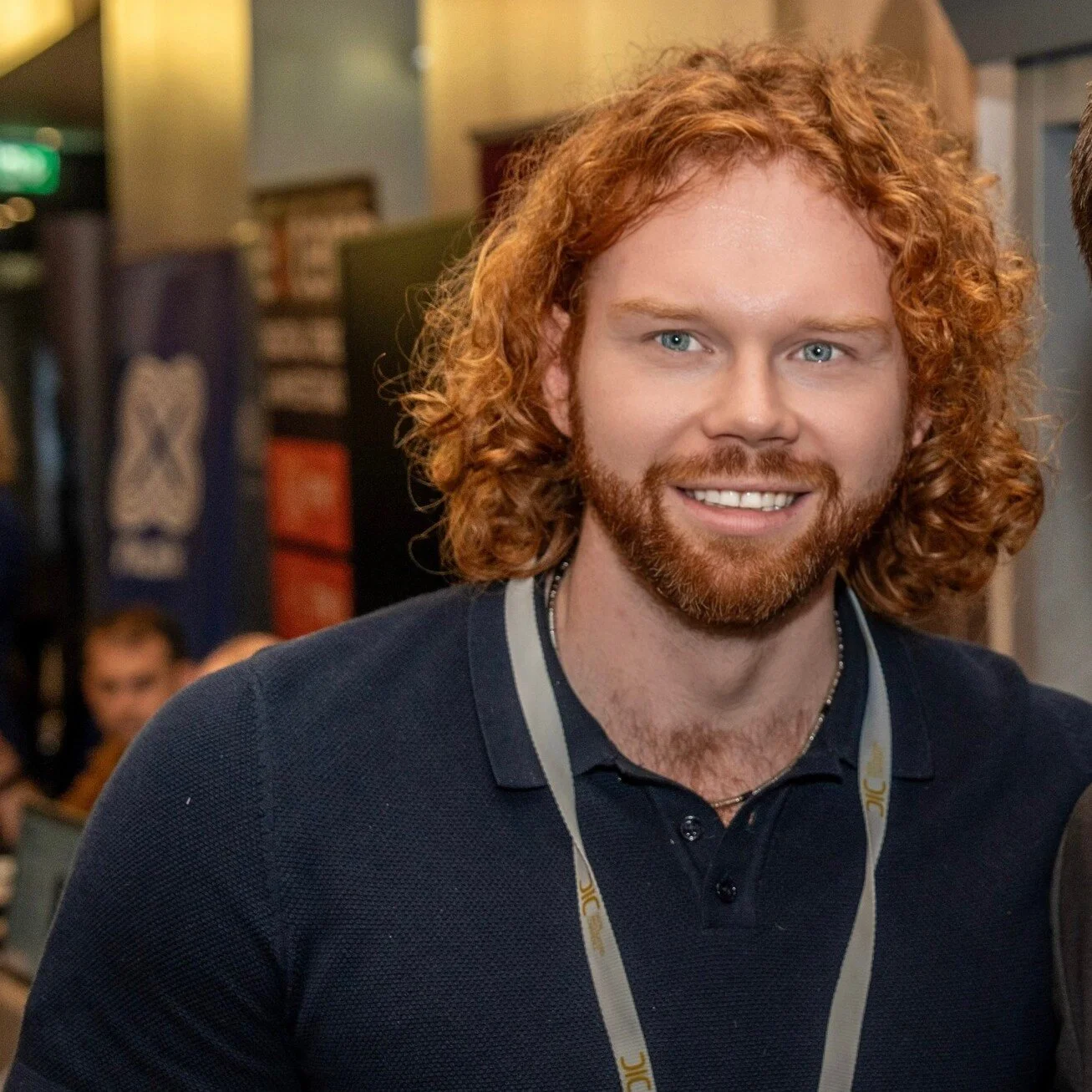
Responsible AI in Action
KI wie Microsoft Copilot verspricht enorme Produktivitätsgewinne. Zugleich wächst das Risiko von Datenabfluss, Compliance-Verstößen und „Shadow AI“-Szenarien. In diesem Vortrag zeige ich, wie Unternehmen mit Microsoft Purview die Grundlage für eine verantwortungsvolle KI-Nutzung schaffen: Von transparenter Datenklassifizierung und Sensitivity Labels über Data Loss Prevention bis hin zu Audit & Insider Risk Management. Anhand praxisnaher Beispiele wird deutlich, wie sich geschäftskritische Informationen schützen lassen, ohne Innovation zu bremsen.

Next Level GitHub Copilot: Agents, Instructions & Automatisierung in VS Code
GitHub Copilot ist längst mehr als nur Code-Completion. Dieser Talk gibt einen kompakten Einstieg in das neue Ökosystem aus Prompts, Custom Instructions und autonomen Agents. Ich zeige, wie man Web-Applikationen und Projekt-Strukturen so konfiguriert, dass Copilot den nötigen Kontext erhält, um hochgradig effizient zu arbeiten. Lernt, wie ihr das Tool vom einfachen Assistenten zum Automatisierungs-Motor für komplexe Aufgaben transformiert und euren Workflow revolutioniert.
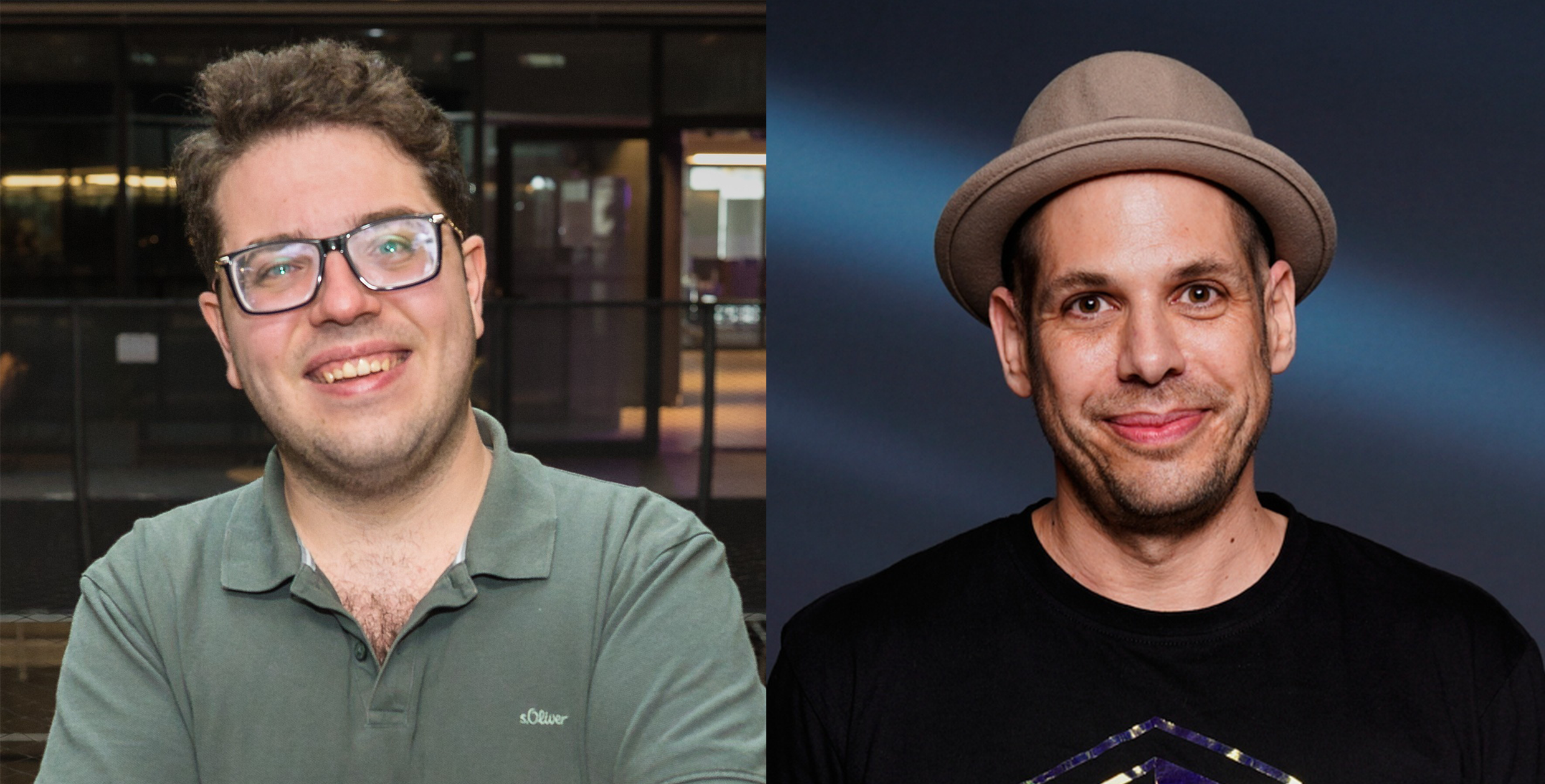
Unlocking Context Engineering with Microsoft Foundry and Neo4j
Discover how graph databases and agentic workflows work together through a live demo using Neo4j’s POLE model and the Microsoft Foundry In just a few steps, we show how agents can understand complex relationships and make decisions using rich graph context.

Effiziente Entwicklung mit GitHub Copilot in Visual Studio: KI als Pair Programmer & Best Practices
Wie lässt sich GitHub Copilot im .NET-Umfeld wirklich effizient nutzen? Diese Session zeigt, wie Entwickler GitHub Copilot in Visual Studio 2026 sinnvoll in ihre täglichen Arbeitsabläufe integrieren. Matthias demonstriert Schritt für Schritt, wie GitHub Copilot beim Schreiben, Refaktorieren, Testen und Dokumentieren unterstützt und wie agentic coding mit Agents und Instruction Files produktiv eingesetzt wird. Die Teilnehmenden erhalten praxisnahe Best Practices, um GitHub Copilot bewusst und wirkungsvoll in eigenen .NET-Projekten einzusetzen.

Smarte Agents mit Azure und Microsoft Foundry bauen
AI-Lösungen nutzen oft nur einen einzelnen OpenAI-Aufruf; doch was, wenn du mehr Flexibilität brauchst? Unterschiedliche Modelle, eigene Optionen und eine nahtlose Integration: Genau hier kommen Azure und Microsoft Foundry ins Spiel. In dieser Session zeigt dir Luise, wie du intelligente AI-Agents baust, die über ein einzelnes Modell hinausgehen und dir mehr Kontrolle sowie Anpassungsmöglichkeiten geben. Du lernst, wie du AI-Lösungen mit Azure und Microsoft Foundry erstellst und bereitstellst und wie du sie mit Copilot Studio verbindest, um deinen Use Case zum Leben zu erwecken.
3 zentrale Highlights:
1. Verstehen, wie Microsoft Foundry durch die Integration mehrerer AI-Modelle über OpenAI hinaus mehr Flexibilität bietet
2. Lernen, wie sich intelligente AI-Agents entwickeln, feinjustieren und bereitstellen lassen
3. Entdecken, wie Azure und Copilot Studio verbunden werden, um AI-Lösungen produktiv zu machen


The Rise of Agentic Workflows: AI That Understands, Decides & Codes
Software development is entering a new era where natural language becomes a first-class interface for automation. In this session, we explore Agentic Workflows, a cutting-edge research project from GitHub Next that enables developers to describe complex software tasks in plain language — and let intelligent agents execute them. These workflows understand context, make decisions, orchestrate tools, and perform meaningful actions across repositories, going far beyond traditional CI/CD pipelines.
We provide a deep technical dive into how Agentic Workflows operate: the execution engine, decision-making loops, context grounding, tool calling, safety constraints, and how agents interact with GitHub APIs. Through live examples, we demonstrate how natural-language instructions can trigger autonomous refactoring, dependency updates, code generation, documentation improvements, and multi-step engineering tasks.
Participants will gain insight into the emerging discipline of Agentic Engineering: designing systems where agents collaborate with developers, support daily workflows, and automate engineering tasks that previously required manual effort. We discuss practical use cases, limitations, and the future potential for A2A (Agent-to-Agent) architectures running across development teams and repositories.
This talk gives a first-hand look into the next frontier of software engineering — where code, automation, and AI converge into intelligent, natural-language-driven workflows. I am a contributor to the https://github.com/githubnext/gh-aw project, however in agentic time you mainly submit issues (see bug tracker) and the agents fix/implement new features. Looking into the future, we will have to change the contributor metrics (currently based on LOC)
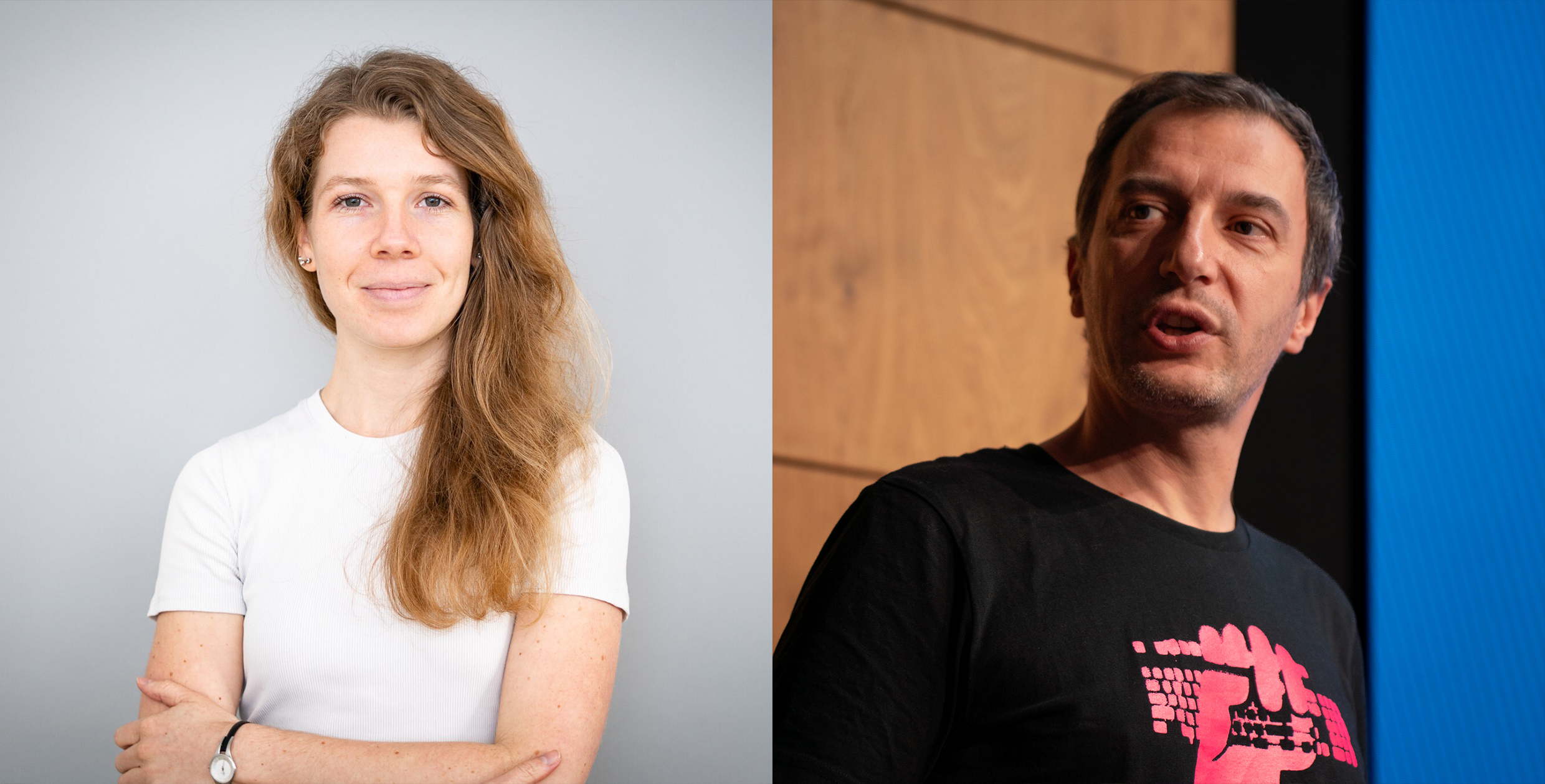
Teaching Robots at Scale: Data, Programming, and the Real Limits of Industrial AI (EN)
Despite decades of investment in automation, many high-value industrial operations in manufacturing remain largely manual. The limiting factor is no longer hardware – lack of machines or robots – but software. Programming automation of complex tasks is slow, expensive, and dependent on expert and domain specific knowledge.
While AI has been transforming software systems towards higher autonomy, making production environments autonomous is fundamentally harder. Conversational AI can learn through access to massive datasets on the internet, however, there is no such treasure trove or robot data.
This talk will analyze why today’s AI successes in robotics focus on controlled, low-value tasks, and why expectations around humanoids and general-purpose robots remain misaligned with industrial reality. The core challenge is data generation: without systematic ways to capture manufacturing and production data, learning-based robotics cannot scale. And without measures to protect the data and control the learning process, the solutions cannot be trustworthy, nor safe. Our approach to reliable data foundation required for the adoption of AI in robotics will be shared with the audience to open discussions about its benefits, challenges, and opportunities.

AI: Beyond the hype
Speaker
Diana Iacob
Go-to-Market Lead - AI @ Microsoft
Diana is a tech enthusiast with a deep passion for transforming cutting-edge innovations into everyday magic. As the Go-To-Market Lead for AI at Microsoft, she is dedicated to ensuring that Microsoft's AI solutions not only set industry standards but also make life more extraordinary for people everywhere.
